

click on how to order to know how to order.
Products by Category
-
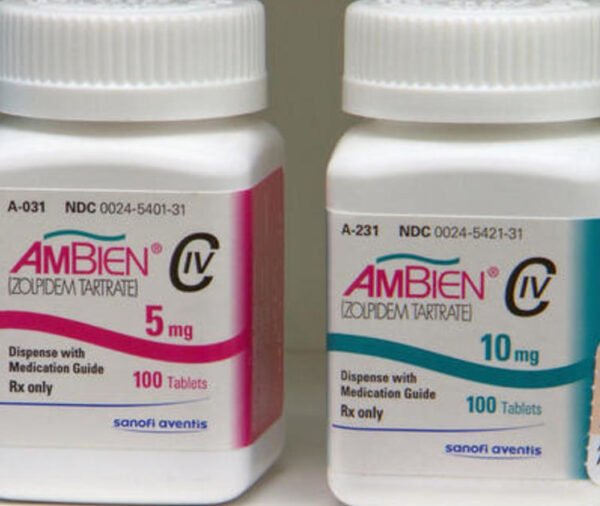
Sleep pills-Buy Ambien Online
$120.00 -
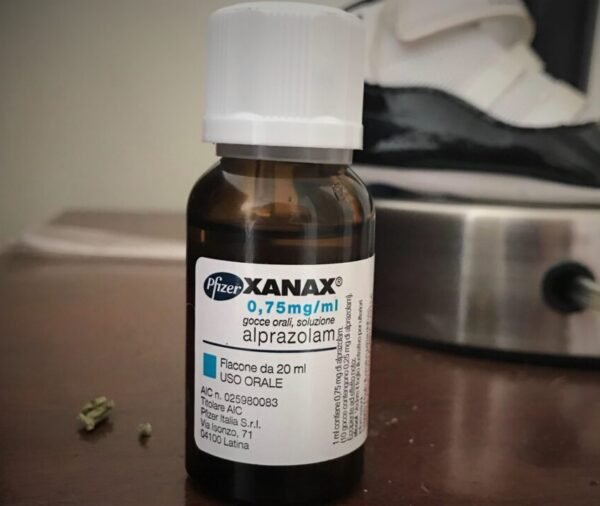
Xanax Alprazolam
$440.00 -
Xanax Pfizer
$299.00
Cannabis Capsules & Tablets Australia 2026: The Precision Dosing Guide
By the Tijuana Dispensary Expert Team | Updated July 2026 | 7 min read
Disclaimer: For educational purposes only. Consult a healthcare professional before starting any cannabis regimen.
For anyone who values consistent, measurable, and completely smoke-free cannabis consumption, capsules and tablets are the gold standard. There’s no measuring, no equipment, no preparation — just a capsule with a confirmed milligram dose you can track and replicate accurately.
Browse our capsules and tablets range or visit the full shop.
How Cannabis Capsules and Tablets Work
After swallowing, cannabis capsules pass through the digestive system and liver, where THC is converted to 11-hydroxy-THC. As documented in research from the National Library of Medicine, this metabolite is more potent and longer-lasting than inhaled Delta-9 THC — producing more body-focused, extended effects.
Onset: 30–90 minutes (same as edibles)
Duration: 4–8 hours
Bioavailability: 6–19% (enhanced by formulation with fat-based carriers)
Types of Cannabis Capsules
THC Capsules — Primary psychoactive cannabinoid. Best for sleep support, pain management, and strong relaxation. Start at the lowest available dose.
CBD Capsules — Non-psychoactive cannabidiol. For anti-inflammatory, anti-anxiety, or general wellness applications without impairment. Suitable for daytime use. For detailed CBD dosing guidance, see our CBD Oil Dosing Guide — the principles apply equally to capsules.
Balanced (THC:CBD) Capsules — Contains both cannabinoids in defined ratios. CBD moderates THC’s psychoactive intensity while preserving therapeutic benefit — the best entry point for medicinal users new to THC.
Soft Gel vs Hard Capsule vs Tablet:
- Soft gels use oil-based formulations with better absorption
- Hard capsules contain powder or crystalline cannabinoid content
- Tablets are compressed powder with a similar absorption profile to hard capsules
Capsules vs Oil vs Edibles
| Feature | Capsules/Tablets | CBD/THC Oil | Edibles |
|---|---|---|---|
| Onset | 30–90 min | 15–60 min (sublingual) | 30–90 min |
| Duration | 4–8 hours | 4–6 hours | 4–8 hours |
| Dosing precision | Very high — fixed mg | High — measured dropper | Variable |
| Taste | None | Sometimes strong | Varies |
| Portability | Excellent | Good | Good |
| Best for | Medical users, daily dosing | Flexible control | Lifestyle use |
Dosing Guidelines
Starting dose: Begin with the lowest available THC capsule (typically 2.5–5mg). Wait a full 90 minutes before assessing effects. Redosing too early is the primary cause of overconsumption.
For sleep: Take THC or balanced capsules 60–90 minutes before your target sleep time.
Taking with food: Cannabis capsules taken with a fatty meal can increase absorption — THC and CBD are fat-soluble. Many users report stronger and more consistent effects when capsules are taken with food.
Related Products and Guides
- CBD Oil Australia — Sublingual alternative
- THC Edibles & Gummies
- THC Chocolate Bars
- CBD Oil Dosing Guide
- THC vs CBD Guide
- Medicinal Cannabis for Chronic Pain
- Medicinal Cannabis for Anxiety
- Medicinal Cannabis FAQ
- How to Order | Payment Options | FAQ
FAQs
Are cannabis capsules better than oil for medicinal use?
Neither is universally superior. Capsules offer more precise, consistent, and tasteless dosing — ideal for patients who need reliable daily dosing or dislike the taste of oil. Oil offers faster onset via sublingual delivery. Many users combine both: oil sublingually for faster acute relief, capsules for sustained all-day or overnight support.
Can cannabis capsules be taken alongside other medications?
Cannabis can interact with various medications via the CYP450 liver enzyme system — particularly blood thinners, antidepressants, and antiepileptics. Always consult a GP or pharmacist before combining cannabis capsules with other medications.
Sources: NIH National Library of Medicine; TGA Guidance; WHO CBD Review